Why can't the rinse bottle issued by the hospital support the consumer market?
Almost every U.S. hospital maternity checklist mentions a peri bottle, but the ones hospitals provide are about an 8-ounce upright squirt bottle. What really turned the category into a business was later the design improvement of 'using it upside down without having to stick your hand into the toilet.'
Guides for expecting mothers like The Bump are written quite straightforwardly: hospitals usually provide a perineal rinse bottle to clean and reduce the risk of infection; if you have one you prefer to use, you can bring your own. This sentence almost outlines the starting point of the entire category—There is a real clinical demand, but the bottle that the hospital provides is not the product that consumers are willing to repurchase.
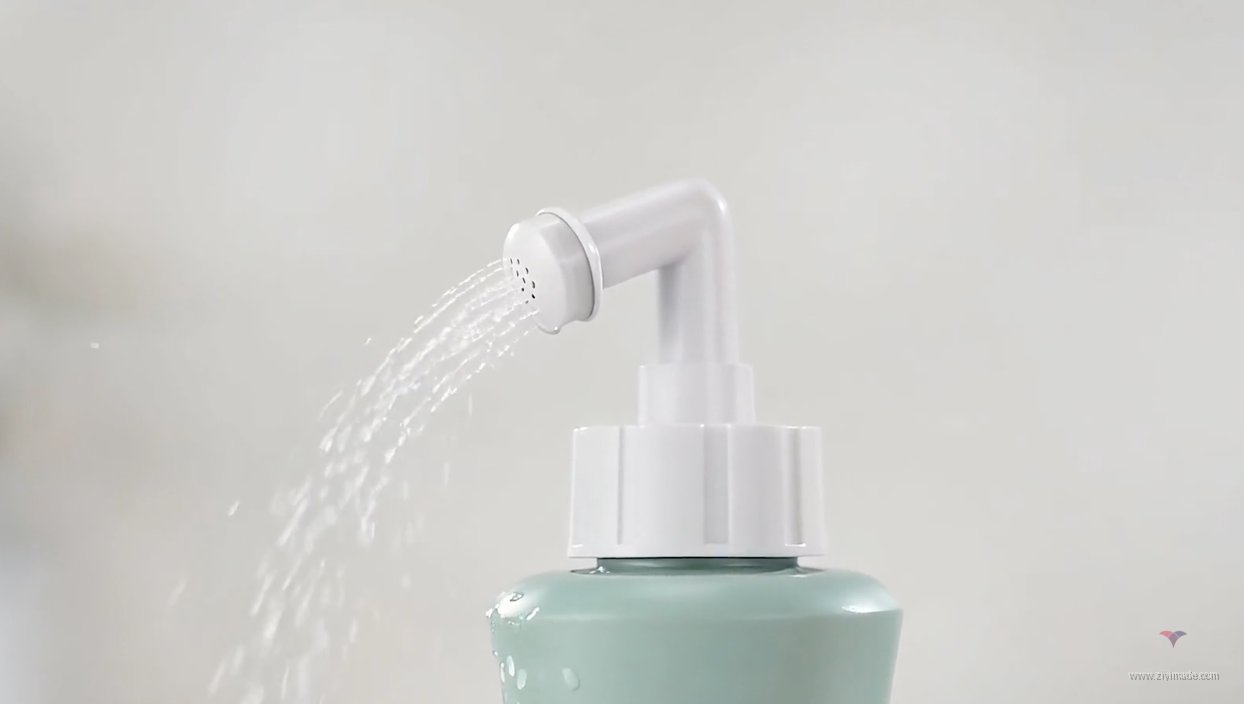
The New York Times' Wirecutter review made this more specific: the hospital jug is awkward to reach and easy to spill; Frida Mom's inverted version has a long, narrow spout that allows you to rinse while sitting, and costs about $14. The editor even described the experience as a 'portable butt spa.' The same function: the hospital version is nearly free, the branded version costs an order of magnitude more — this is not marketing rhetoric, it's the stratification already happening on store shelves.
Three levels of pricing correspond to three procurement logics
The publicly available prices that can be seen in cross-border e-commerce and wholesale channels roughly stack into three layers (the scope comes from Accio’s compilation of Amazon/Alibaba, as well as category estimates from Growth Market Reports, with the order of magnitude being more important than precise figures):
- In-hospital disposable / simple upright bottle: Wholesale is about $0.2–0.3, and retail is often included in inpatient consumables, with moms discarding a large amount after going home. The buyers are hospitals and clinics, and the comparison is based on sterile packaging and box specifications, not appearance.
- E-commerce value itemRetail is $5–8, wholesale is about $1–1.8. On Amazon, it is not uncommon for unbranded blue and orange versions to sell over a thousand units per month per link. High-frequency words in the labels are 'cheap' and 'easy to use,' while negative reviews focus on the durability of the spray nozzle and sealing.
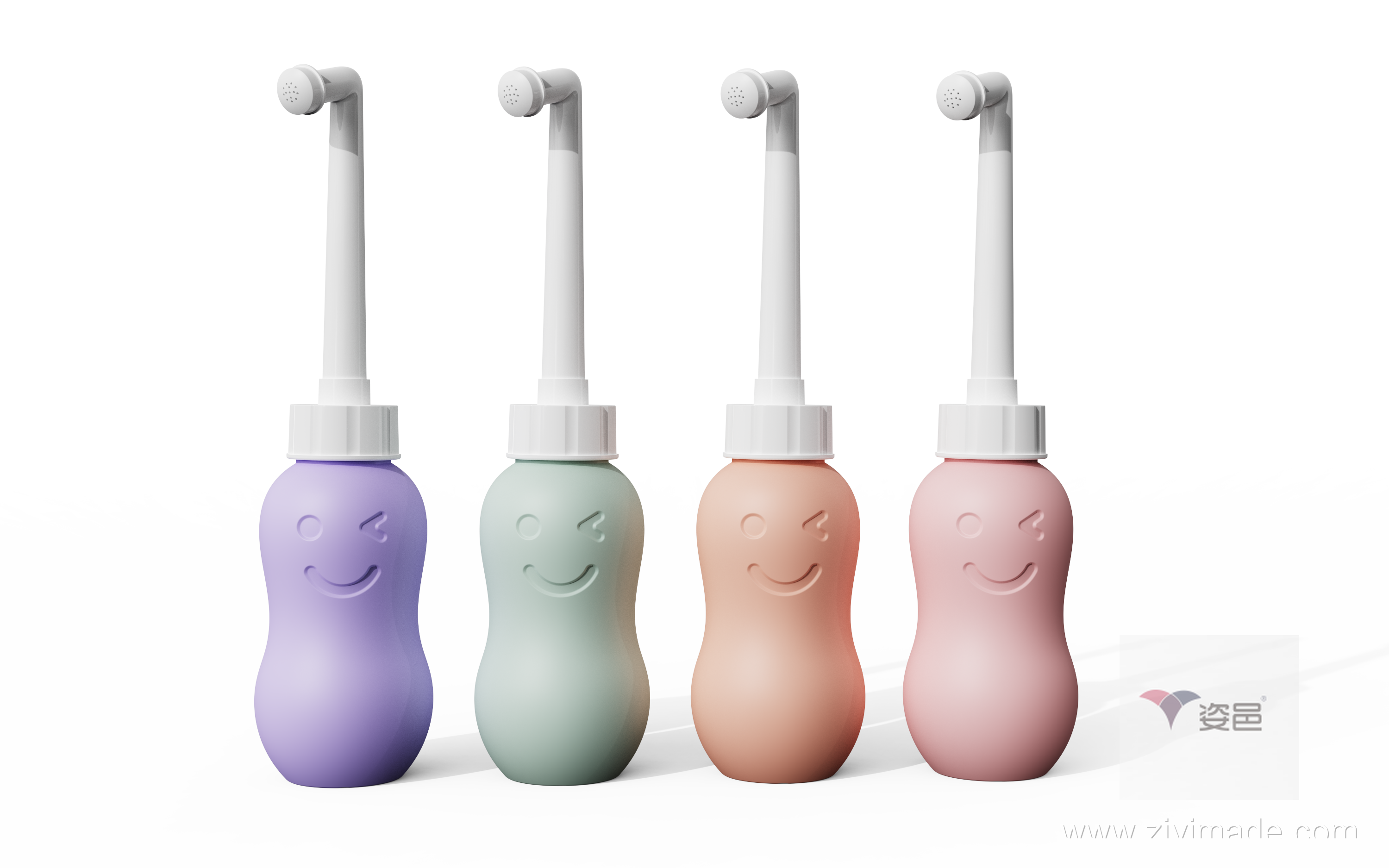
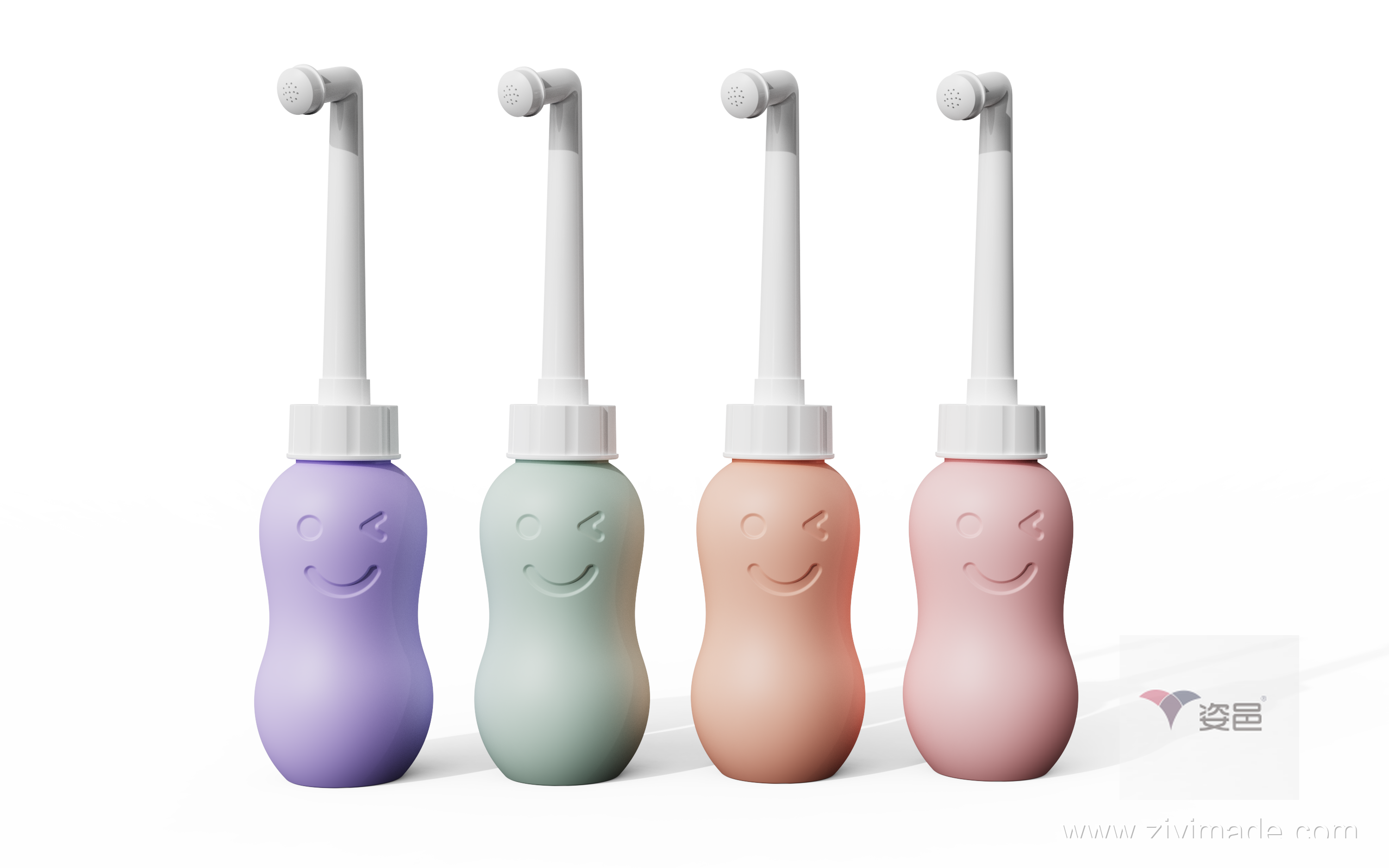
- Inverted Human Body Ergonomic StyleRetail is around $12–16, with Frida Mom being the most frequently mentioned sample by the media; wholesale is roughly $1.3–3. It is often bundled with witch hazel pads, cooling pads, and care foam into a 'postpartum recovery set.'
There are estimates placing the global postnatal peri bottle niche at about $270 million (2024) to $440 million (2033), with a compound annual growth rate of 5%–6%; another report on portable peri bottles gives about $320 million for 2024 and about $530 million for 2033. The figures from such organizations should not be used as audited financial statements, but the trend is consistent:The market is not large, and the growth comes from 'turning hospital supplies into care tools taken home,' not from many more children being born globally.
What is truly bought is an action, not a teapot.
Frida's own product page has fixed selling points: hold it upside down to avoid 'hand going into the toilet'; the thin curved neck aligns with the perineum; 10 ounces; suitable for both vaginal and C-section incisions. Wirecutter added a very 'user-friendly' detail—it can shorten the flustered steps during those few minutes on the toilet. The point where hospital bottles fail is precisely that this action wasn't designed for.
So the competition is not about 'whose plastic looks better.' The hospital segment is dominated by medical consumable suppliers like Medline, making it difficult for new consumer brands to enter; the DTC segment competes based on the contents of maternity kits and review media; the Amazon value segment competes on advertising spend and color SKUs. There is little substitution between the three layers: hospitals won't stop distributing free bottles just because Frida has become popular, and generic brands won't disappear just because premium brands exist.
A cold observation
North America accounts for nearly 40% of the publicly estimated share of peri bottles, while the Asia-Pacific region is described as the fastest-growing area — this is more due to the upgrade in maternal and infant consumption and e-commerce penetration, rather than a sudden unification of in-hospital standards. European pharmacy channels remain more basic and guide-oriented towards instructions. Directly copying the 'upgraded bottles' from U.S. maternity packages to all markets would misjudge the channels.
A more useful question for this industry is not 'Can we make another pink bottle?' but rather: when users encounter it for the first time, is it the free upright bottle they get upon discharge, or the inverted model highlighted by the media on the maternity checklist? The former determines whether they try it, while the latter determines whether they are willing to pay ten times more for the same function.