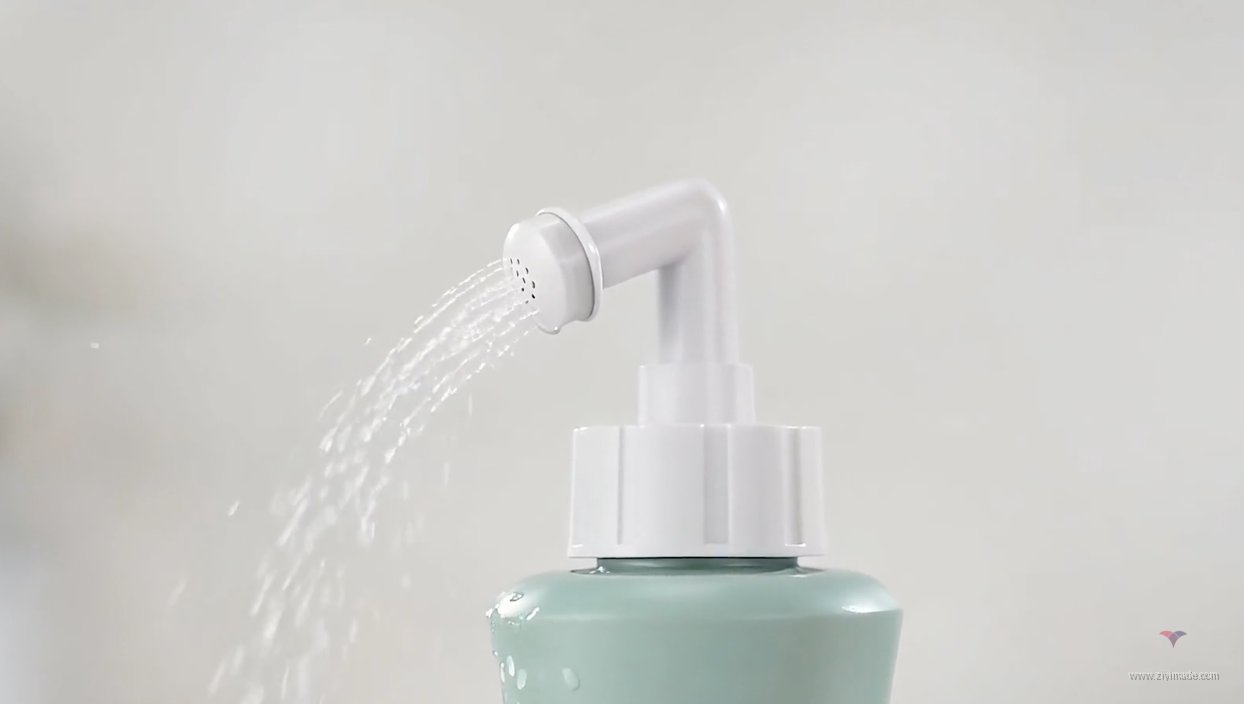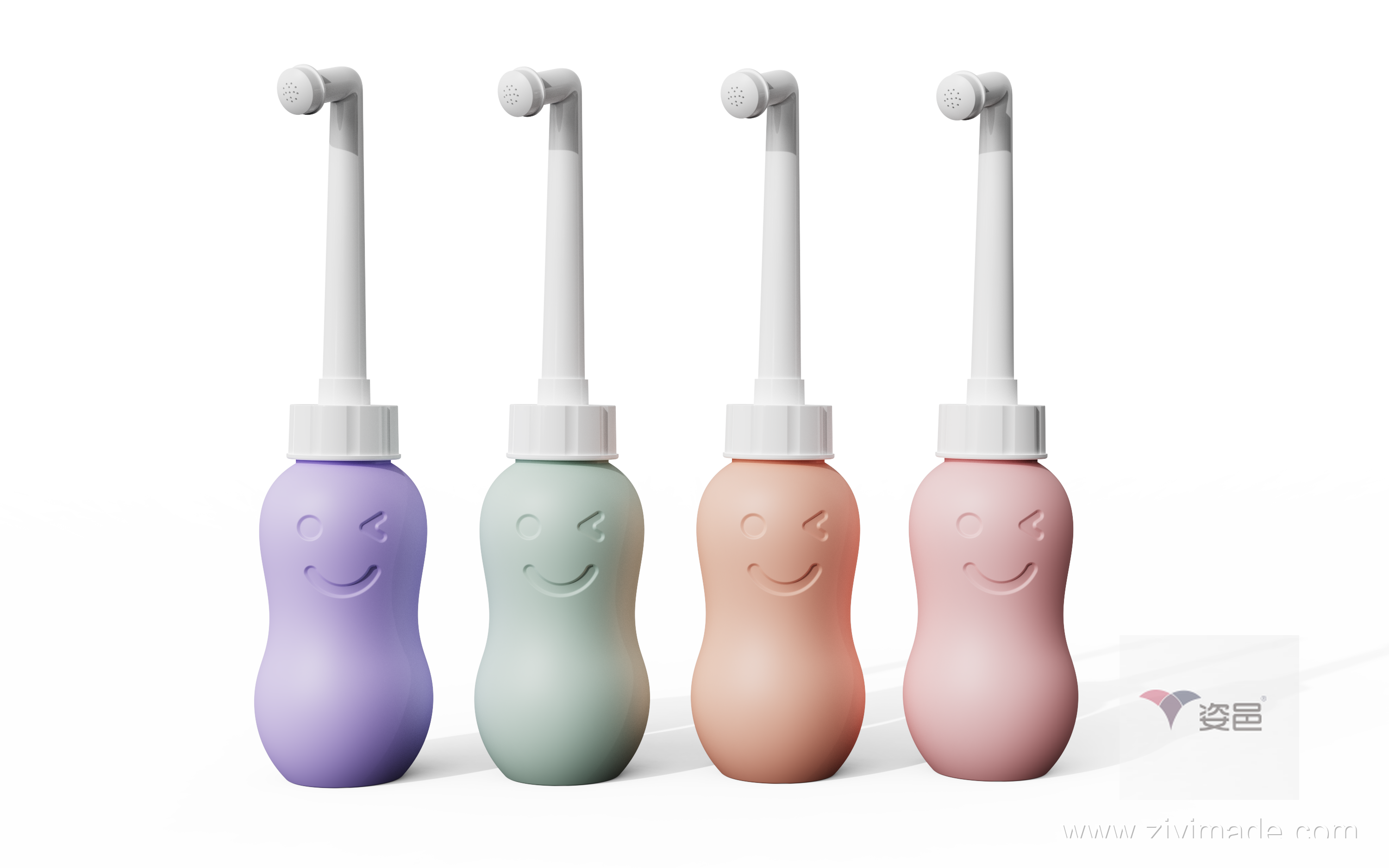
On Amazon, are peri bottles and portable bidets on the same shelf?
In the sales tracking for August 2026, the Frida Mom inverted bottle appeared at the top of the list related to portable bidets, with monthly sales estimated at about 20,000. Postpartum tools and travel rinses are competing for the same batch of clicks.
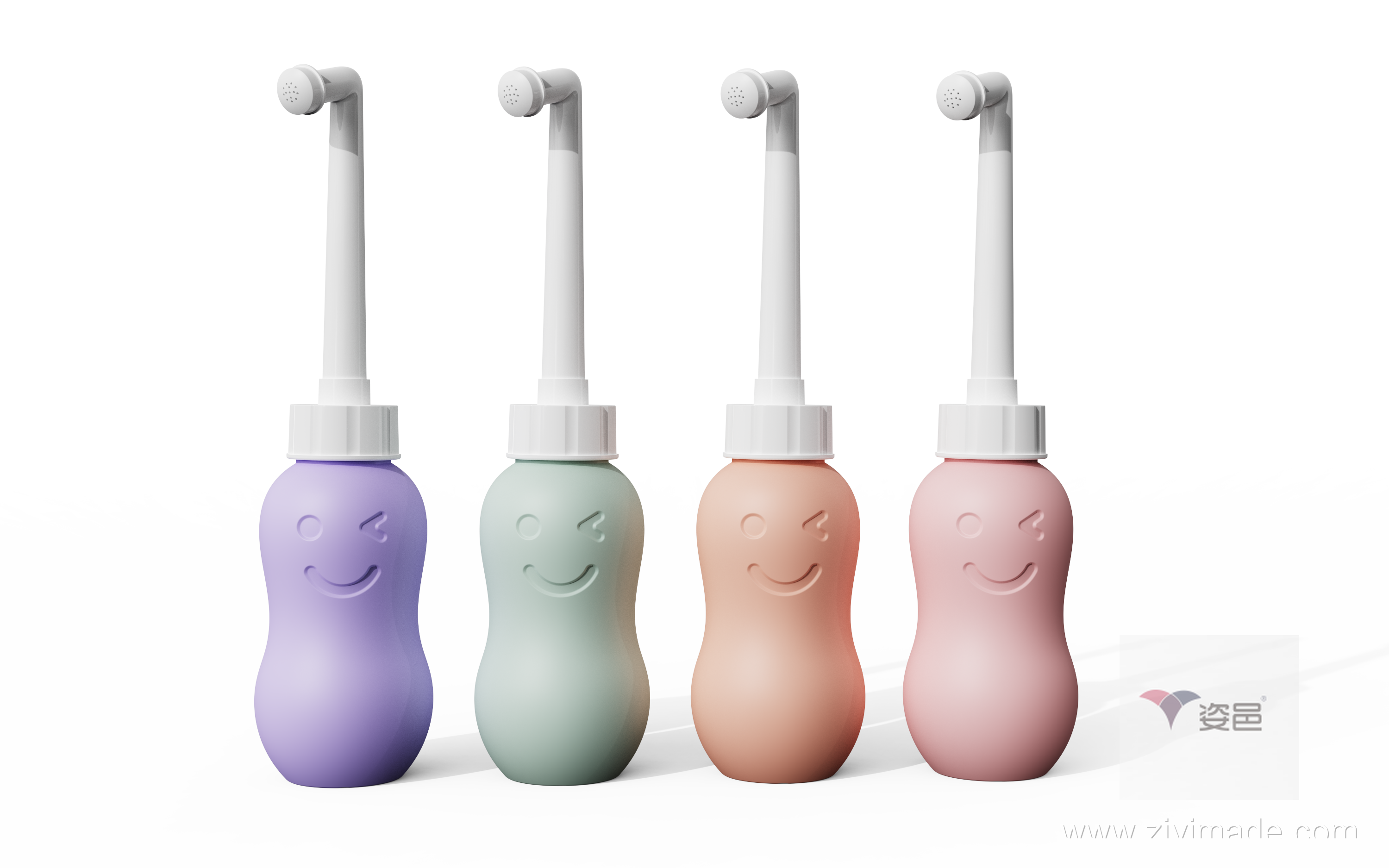
AS Insight tracked about 139 links for 'portable bidet for toilet' on Amazon US in August 2026: the average price of the top ten was about $29, with a rating of about 4.5; the first place was exactly the Frida Mom inverted peri bottle (ASIN B07TXLZ8MR), with an estimated monthly sales of about 20,000. The same product also appeared at the top of the 'portable bidet sprayer' list. That week, the weekly search volume for this keyword was not impressive (the report noted it was around 500), but the top three captured about 28% of the click share and about 19% of the conversion share—The traffic is not large, and the top is very concentrated.
Travel guide websites, on the other hand, put a different set of items on the same 'portable washing' list: entry-level electric/squeeze travel models like FOOFOO, TUSHY Travel, TOTO's Handy Washlet, and the Cynpel peri bottle with a 4.8 rating and over 27,000 reviews—its title simultaneously targets postpartum, hemorrhoids, travel, and FSA. On the consumer side, the industry analysts' category tree is not followed.
Two search terms, one set of mold logic
The semantics of a peri bottle are perineum, postpartum, hospital kit; the semantics of a portable bidet are toilet, travel, using less paper. Amazon's category and advertising system do not care about your definitions; it only continues to push the links of 'peri bottle' to people who have clicked on 'peri bottle'. The result is: molds designed for expectant mothers will continue to generate traffic under travel washing searches; outdoor spray bottles will also appear in postpartum searches.
This white-label product is a double-edged sword. The advantage is that one stock can support two sets of keywords; the downside is that the product page has to please both groups at the same time — one group wants 'inverted, aimed at the perineum, don’t splash hands,' and the other group wants 'leak-proof, pocketable, pass through security.' The value models that Accio has seen ($5–8, monthly sales over a thousand, color options) happen to sit right in the middle: they resemble both sides, yet aren’t strong in either.
The Red Sea is not about 'whether there is demand,' but about 'looking the same.'
The structure of negative reviews for the standard-priced model is quite stable: the nozzle is not durable, leaks, and does not match the pictures. Complaints about the premium model include 'selling a plastic kettle for this much' (Wirecutter has also recorded this sentiment). Both are selling almost the same injection-molded part, with the difference being whether the gooseneck can really be used upside down, whether the seal can withstand being placed horizontally in luggage, and whether there is a set/FSA that drives up the price anchor.
Private label is not a new phenomenon in the women's care market—according to public estimates of the U.S. feminine care sector, private labels account for about 12%–16% of sales, and e-commerce has already surpassed a quarter of the category's revenue. But the advertising efficiency of the small SKU peri bottle is closer to 'search terms being blocked by top brands along with dozens of identical image listings,' rather than the shelf habits seen with sanitary pads. Accio's conclusion on value products is cautious: without bundling to increase the average order value, it is difficult to sustain Amazon advertising.
Looking at the rankings is more useful than looking at the concepts.
If a link appears under both 'peri' and 'bidet,' it indicates that the platform has completed a 'scenario merge.' Later, if someone separately promotes 'we are for postpartum use' or 'we are for travel use,' they need to spend extra money to separate the traffic. A more rational approach is to first look at the top questions and answers: capacity, whether it leaks during inversion, how many holes the nozzle has, whether it is FSA compatible—these are the issues that haven't been fully addressed yet, and therefore still have gaps.