How to turn a rinse bottle into an entry product in a postpartum care package
Frida listed the peri bottle as the first step in the five-step recovery method, and paired it with a cold pad, witch hazel pads, and foam. The bottle went from a $14 single item to the "first step" in a set priced over $50.
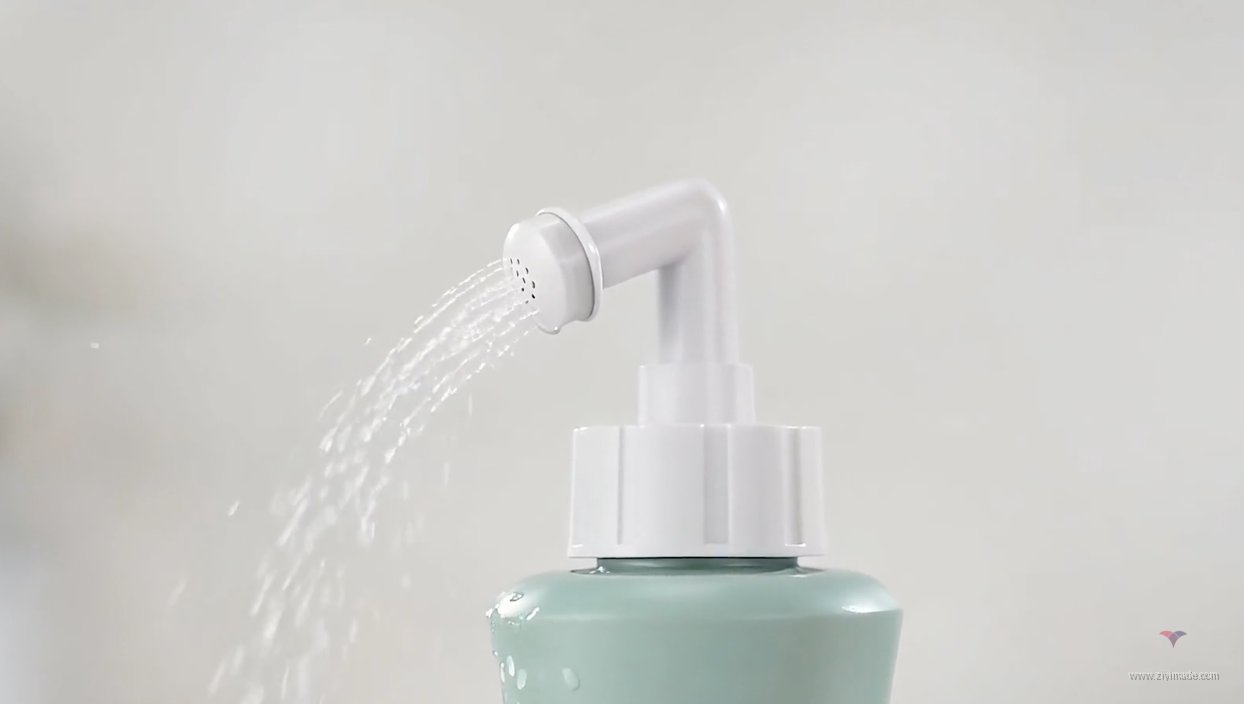
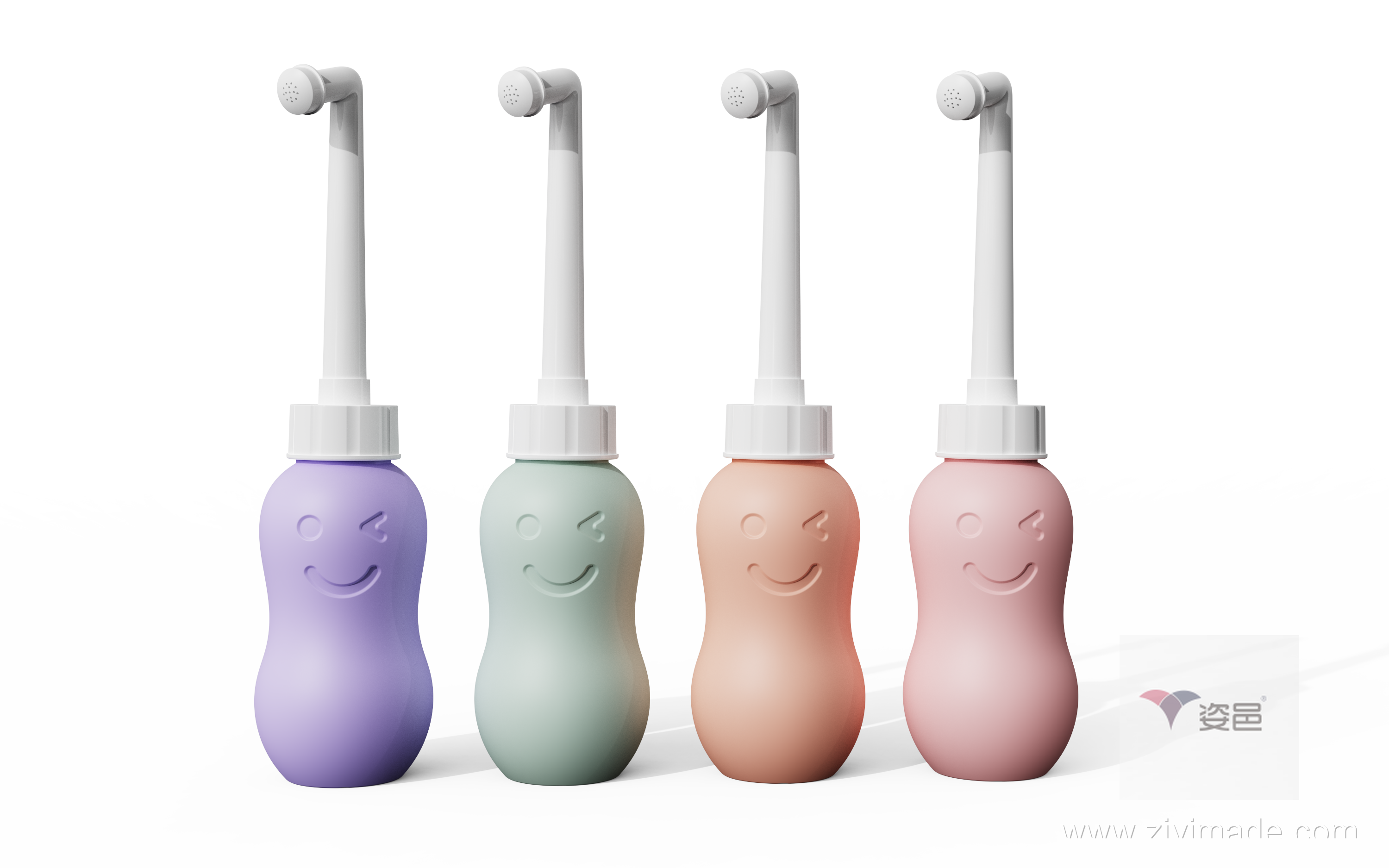
Looking at the peri bottle alone, it is a 10-ounce plastic bottle. However, Frida Mom's product lineup lists it as the first step of the 'Five Steps After Birth,' followed by an ice pad, witch hazel cooling pads, healing foam, disposable underwear, and a toilet caddy. On FSA Store, this Essentials Kit is priced at about $54 and can be reimbursed through FSA/HSA as a qualified medical expense—the standalone peri bottle is likewise marked as eligible for purchase with a flexible account on buyFSA.
It's not the injection molding process that changes, it'sCustomer unit price and payment methodsUsers are not choosing between 'buying a watering can' and 'not buying it,' but are checking off a set on the maternity bag checklist that is described as 'things needed for the first trip to the bathroom.' The bottle is responsible for 'flushing,' and the set is responsible for 'this trip to the bathroom.' The educational cost is spread across the entire basket of goods.
Maternity package media promotes products earlier than shelves do
The Bump's hospital bag checklist lists the peri bottle as an optional upgrade: hospitals have them, but many moms prefer to bring their own. TikTok/Instagram hospital bag videos, on the other hand, link the peri bottle with the 'audible sigh of relief.' Long reviews like those on Wirecutter serve to give hesitant people a shareable line: the hospital one doesn't work well, this one is worth it.
Public category research lists North America as having the highest share and treats 'hospital bag influencer' as the main channel for the peri bottle. This is different from toothpaste and sanitary pads — those categories rely on shelf habits and subscriptions; the first purchase of a peri bottle is highly dependent onDisposable mouthpiece(Preparing for childbirth, recovery from cesarean section). The significance of the set is: to connect a disposable inlet as much as possible to consumables like witch hazel pads that can be repurchased.
FSA/HSA Include 'Nursing Tools' in the Payment System
The U.S. Flexible Spending Account recognizes items as 'won't buy unless it's medically necessary.' Postpartum cleansing, perineal tear care, and hemorrhoid care fall exactly into this category. Brands like Cynpel that followed up also put 'FSA/HSA eligible' in their Amazon titles. The result is: the same bottle, on the regular daily-use shelf, is an impulse buy, but under the benefits account, it is a reimbursable supply. When the payment channel changes, the price anchor is no longer 'the free one at the hospital.'
This explains why a $13 branded bottle can outperform a $6 generic bottle, but not a 'full set priced at $50 that can use FSA.' If the generic brand only competes on single low-priced bottles, it will be restricted by advertising costs (Accio’s evaluation of value products is high ACOS, red ocean); to raise the average order value, the public recommendation is to bundle with sitz bath salts or nursing pads — this is actually learning the logic of sets, just with weaker brand power.
Limit of entry products
The set model has a hard boundary: the postpartum window is approximately 6–12 weeks (as defined by Market Intelo for the postpartum care market). Once the window passes, the natural repurchase of wash bottles is very weak, unless they are redefined as portable bidets. Frida also comes with a waterproof storage bag, and the copy already leaves a way for 'taking it out'.
So when looking at this category, don’t just ask how many bottles were sold. It's more worthwhile to look at which items in the set are still being repurchased after 12 weeks, and whether the FSA title can expand from postpartum to hemorrhoids and anorectal care, which have longer usage cycles. The entry point can be made through maternity kits, but the business depends on extending the window.