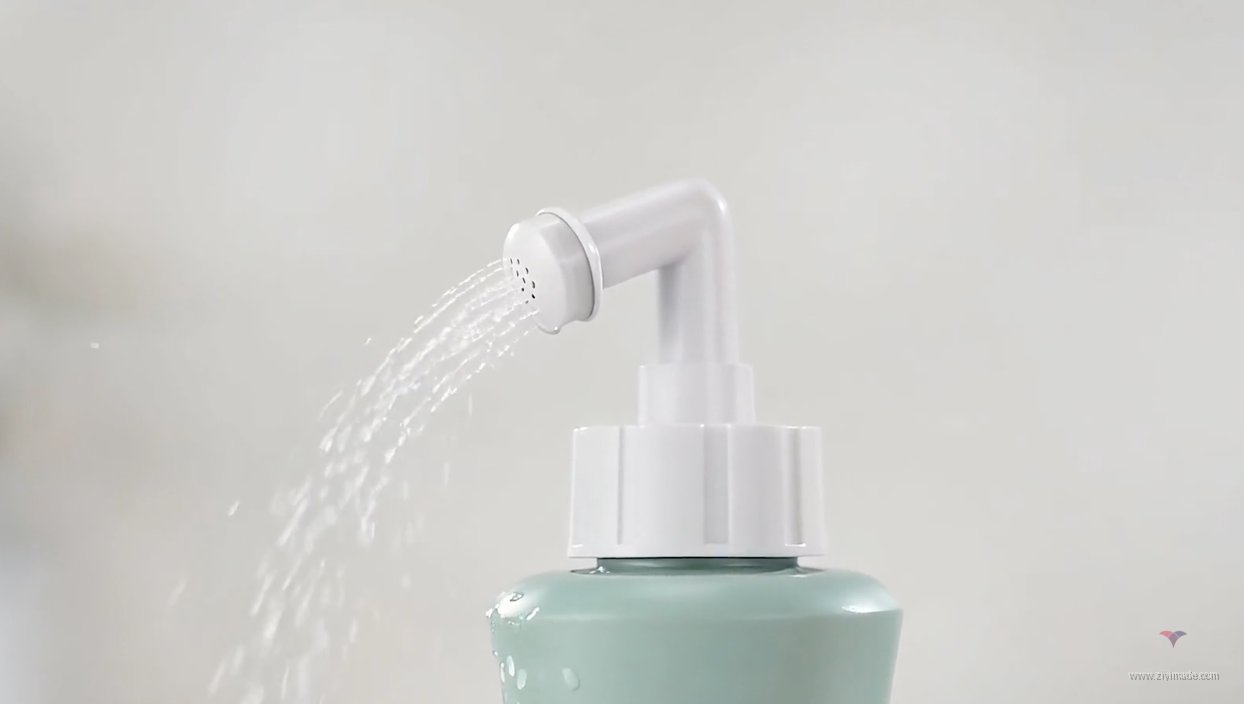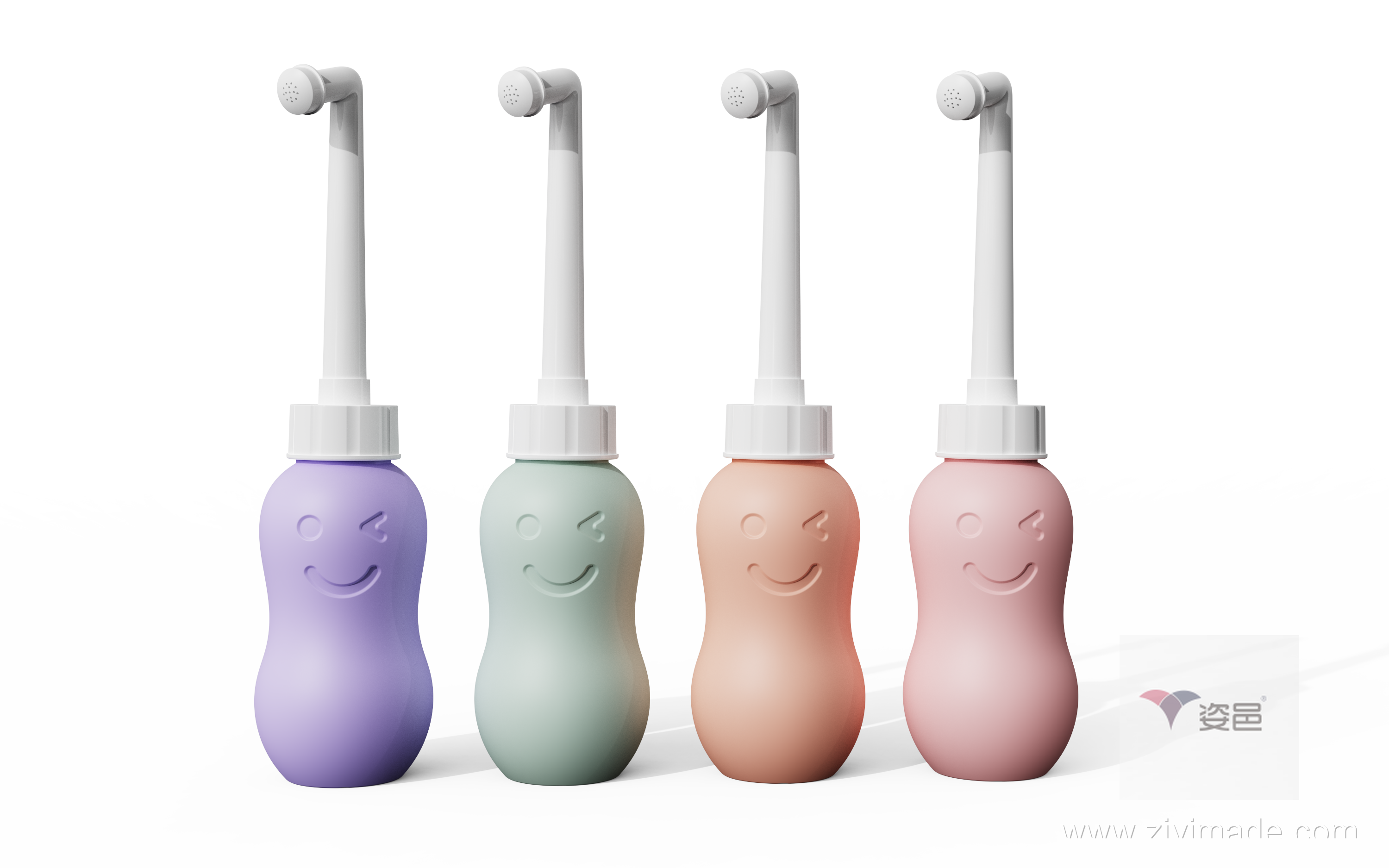
Electric washing is written into the trend, so why hasn’t the hand-squeeze bottle stepped aside yet?
ODM factories and trade shows label the charging peri bottle as the next generation. In the publicly available consumer lists, the preferred choice for postpartum and travel is still the one that can be manually squeezed—the electric version still lacks repeatedly verified use cases.

Searching for 'electric peri bottle' will first encounter a batch of factory press releases: manual squeeze bottles have been used for decades, while electric ones can provide steady pressure and reduce straining on the perineum. These articles present products that retailers have not yet stocked as a 'trend worth watching.' When Accio compiled the sales structure of postpartum peri bottles in 2026, however, it marked the 'real consumer feedback of electric vs manual' as a data gap—there are rechargeable models at the wholesale level, but consumer sentiment hasn't been anchored by reviews on the same scale.
Comparing the shopping lists, the contrast is even clearer. Wirecutter chose an inverted hand pump for postpartum; The Bump's hospital bag discussion covers a hospital sprayer and upgraded hand pump; travel reviews listed a USB-C electric single pump, but entry-level recommendations still include the 'no batteries, not easy to break' manual pump. Hospitals wouldn't change sterile supply protocols just for a motor.
Electricity solves force, but does not solve the scenario clock.
The complaints about manual squeeze bottles are hand fatigue, unstable pressure, and not being able to reach while seated. The electric version addresses these three issues. The new problems it brings are another list: charging, waterproofing, noise, splashing, and repairs. In the Research and Markets outlook for portable bidets, electrification, medical-grade silicone, and institutional buyers (nursing, clinical specifications) are grouped together as signals of 'category maturity' — translated: electrification will push the peri bottle from a 'plastic item in the maternity bag' toward a 'personal care appliance / nursing device specification,' making compliance and after-sales heavier.
The postpartum window lasts only a few weeks. A charging device that is put away in the cabinet after use has a completely different repurchase model compared to an electric toothbrush. Unless it can be applied to longer usage cycles such as hemorrhoid care, mobility issues, or frequent travel, it very much resembles a 'new product' at an exhibition rather than a 'must-have' on a maternity checklist.
Material upgrades actually happen in the hand-extrusion layer.
A more solid change in public trends is BPA-free, EVA/silicone touch, and retractable nozzles, rather than the motor. Accio highlights the lifespan of cheap retractable nozzles as a risk point; negative reviews of the value models also point to the nozzle and seal. In other words, users are willing to pay for "good upside-down usability, no leaks, ability to iron or at least heat resistance," and the evidence is already in the $12–16 premium range and sets; evidence that users are willing to pay for the motor is still scattered across ODM pages and a few travel reviews, without any internal replacement logic.
The women's intimate care market itself is growing—Mordor projects the market size for intimate hygiene products to be about $33 billion in 2025, with a compound annual growth rate of around 6% by 2030. The driving factors are destigmatization, microbiome-friendly formulas, and digital marketing. However, the main part of the market is still cleansing products, care items, and menstrual absorbent products. Squeeze bottles are just a very small segment within this, and electric ones are an even smaller niche within that.
How to determine if a 'trend' is legit
You can ask three questions that already have public answers: Will hospitals stop distributing free manual breast pumps? (Not for now.) Is the default recommendation for expectant mothers electric? (Not for now.) Are the top-selling items on Amazon charged models? (As of August 2026, the top of the portable bidet related rankings is still Frida manual.)
Electric can become a niche, especially for those who have mobility issues and are willing to treat rinsing as a small household appliance. Writing it as a 'natural alternative to squeeze bottles' is not supported by existing lists and purchasing behavior. Trend articles can be ahead, but shelves are usually slower — on this bottle, the slow side will still be the one that squeezes.